1. What is an airway-focused pediatric dentist?
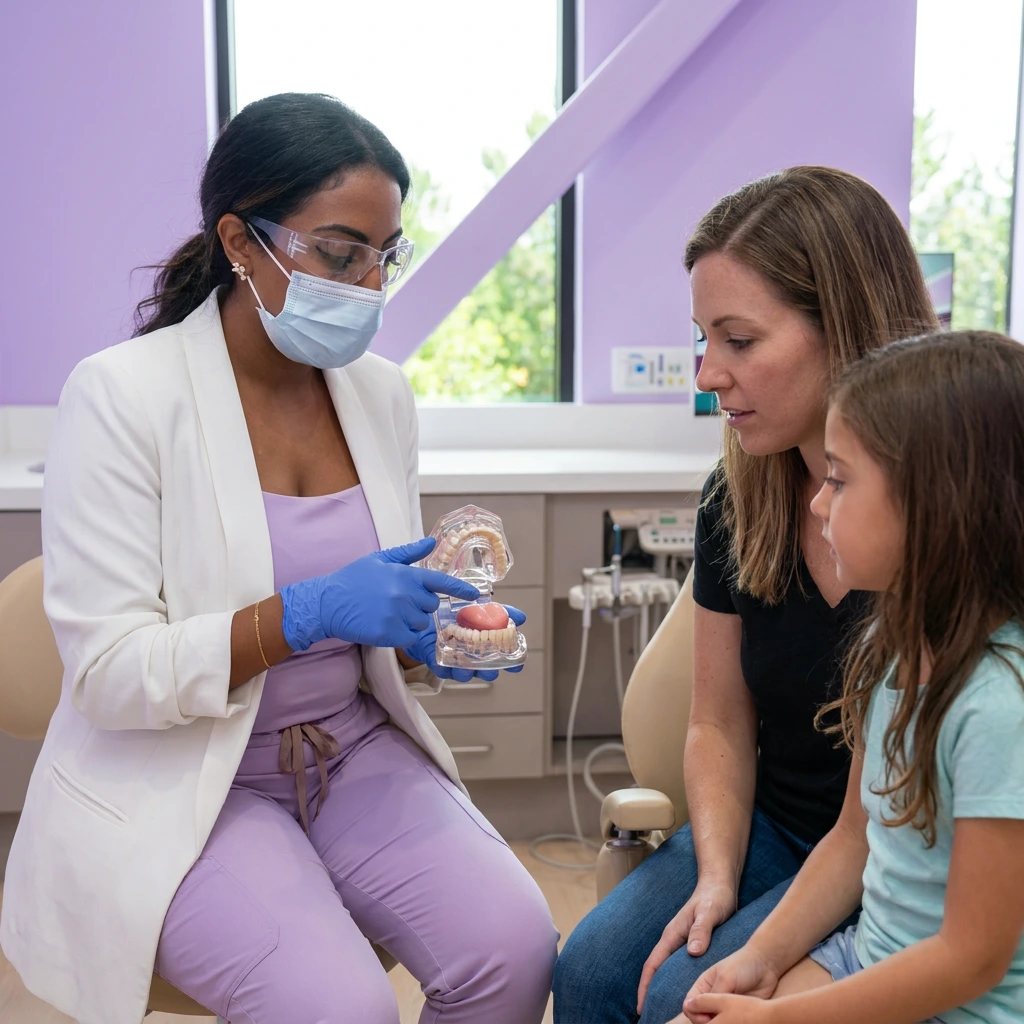
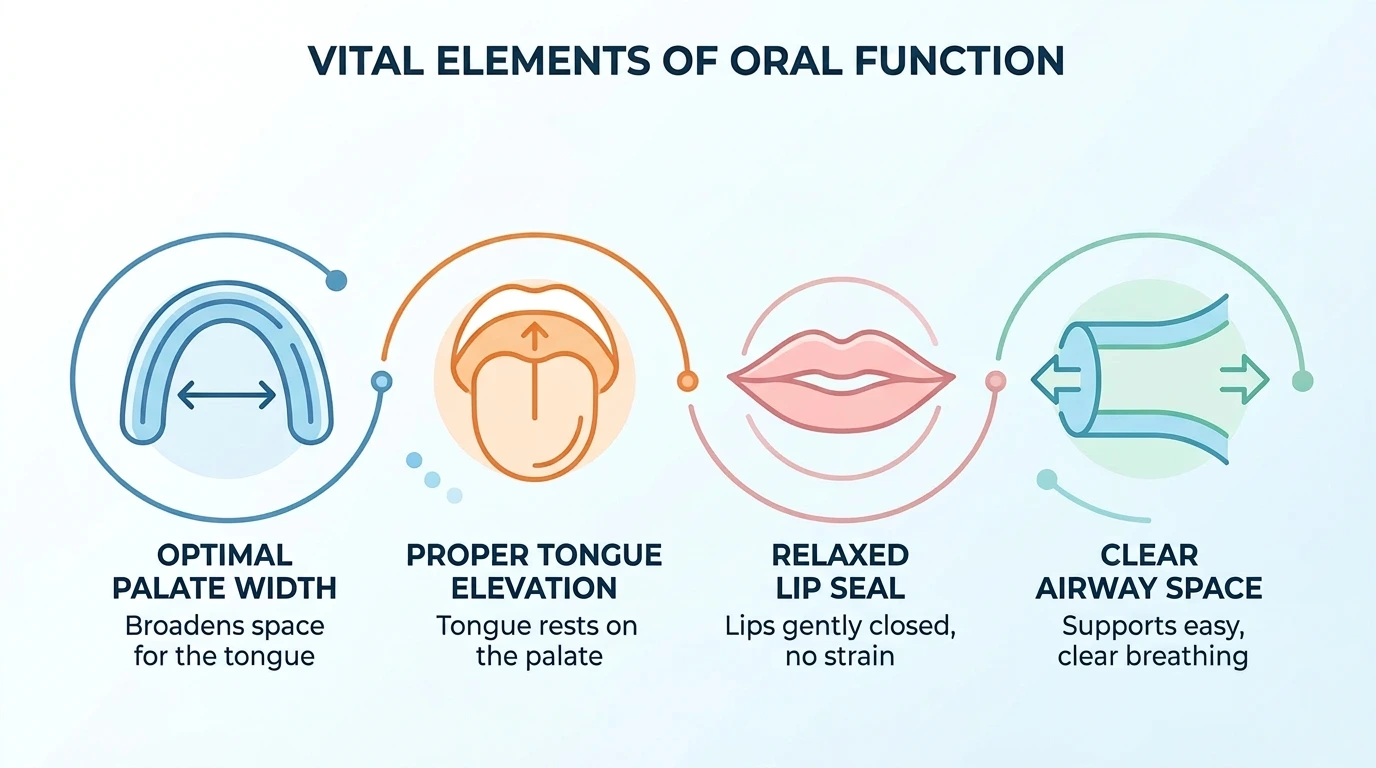
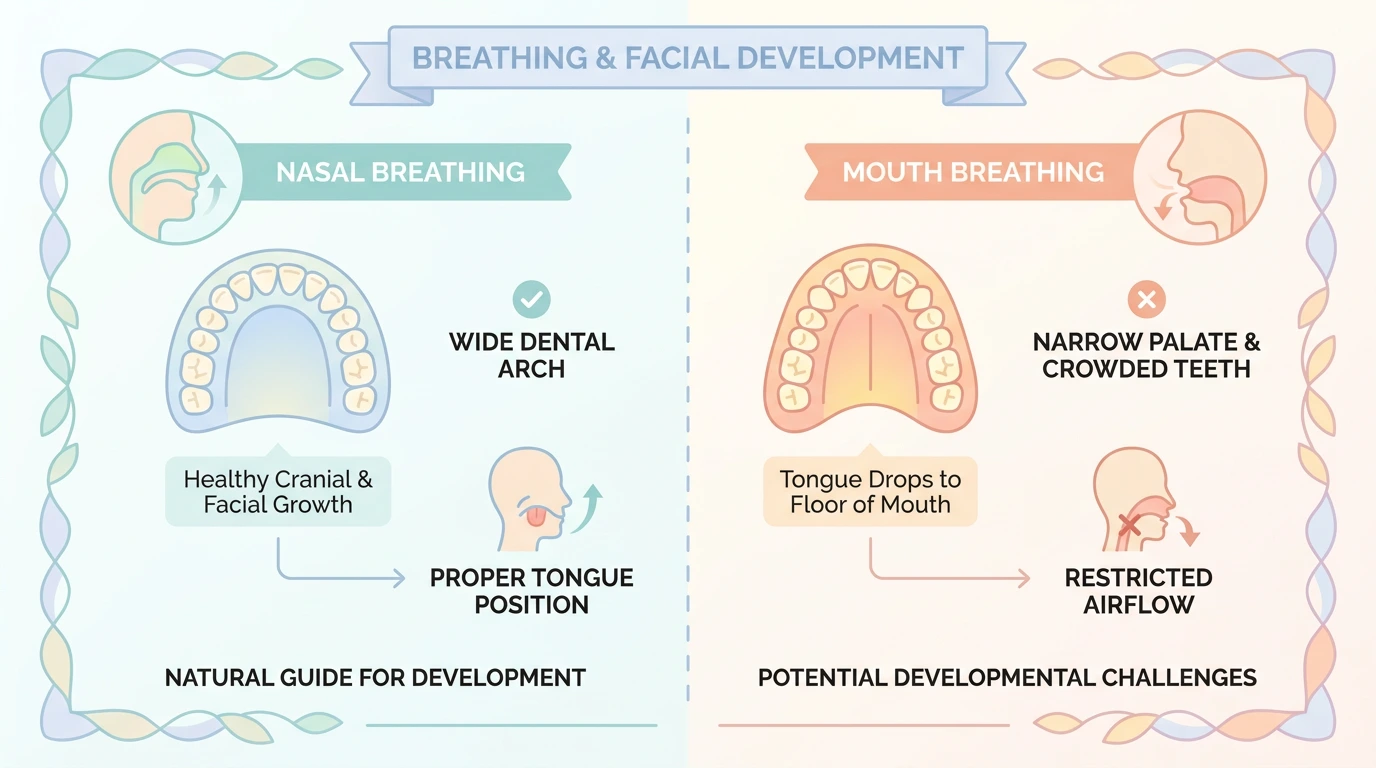
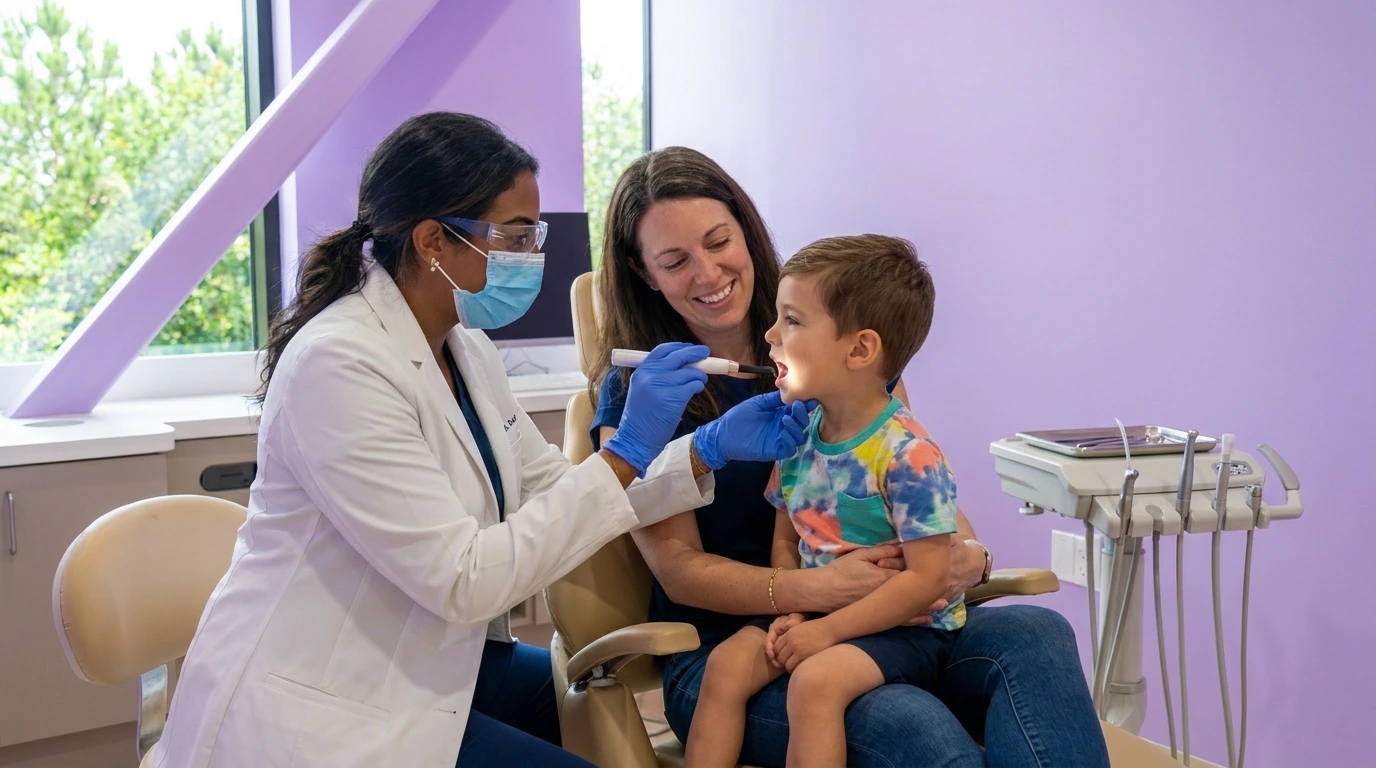
An airway-focused pediatric dentist examines how the teeth, jaws, and soft oral tissues affect a child's breathing and sleep. Rather than focusing solely on tooth decay, Dr. Sarah Arafat evaluates structural restrictions like tongue-ties, narrow palates, and open-mouth resting habits to support proper nasal breathing and healthy facial growth.
2. At what age should a child have an airway evaluation?
A child can undergo an airway assessment at any age, starting in infancy. Early screenings around age two or three are especially valuable because craniofacial bones are actively developing. Early evaluations at Tiny Dental Co. allow clinicians to identify mouth breathing, restricted tissues, or narrow dental arches before secondary complications arise.
3. Can dental airway issues cause behavioral problems in children?
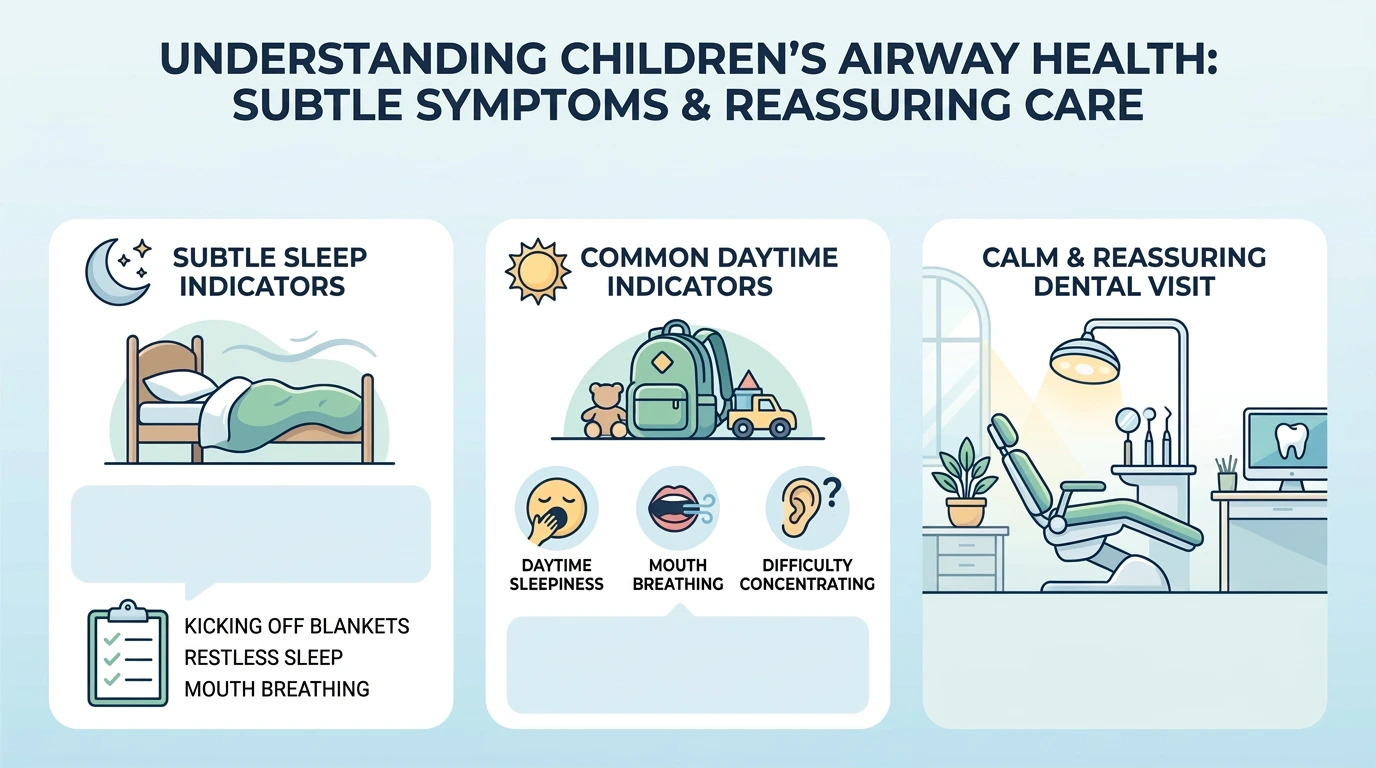
Airway resistance during sleep often leads to fragmented rest, oxygen drops, and daytime fatigue. In young children, chronic sleep disruption frequently manifests as irritability, hyperactivity, impulsivity, or trouble focusing in school. Addressing the underlying oral airway obstruction can help restore deep sleep, which may improve daytime mood and concentration.
4. How do tongue-ties impact a child's breathing?
A restricted lingual frenum anchors the tongue to the floor of the mouth, which can keep it from resting against the palate. When the tongue rests low, it may not support upper jaw growth as well and can slide backward during sleep, obstructing the throat. Releasing restricted tissue through a frenectomy can help improve tongue posture.
5. How do I find an airway dentist for kids near me in The Woodlands?
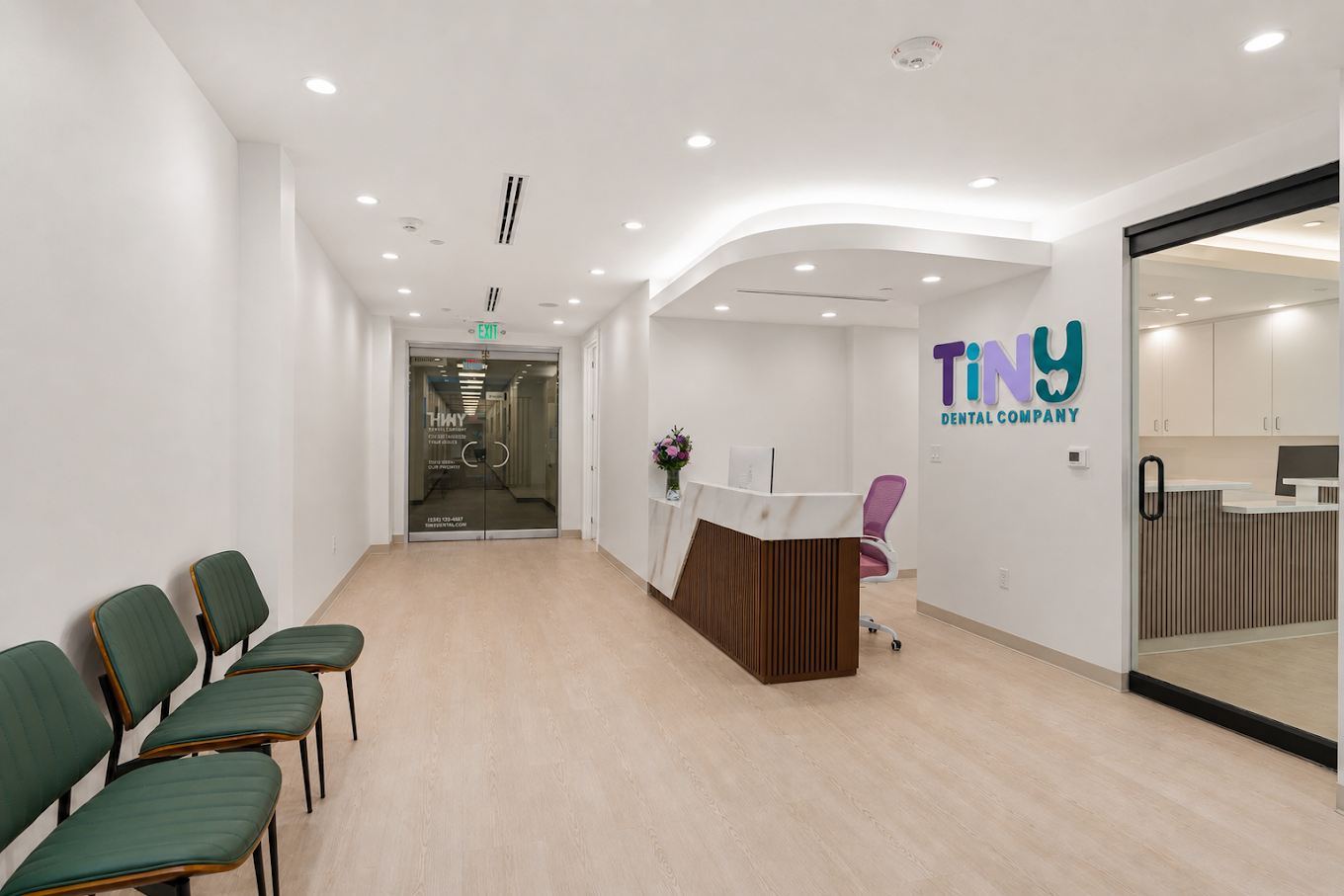
Parents in The Woodlands seeking airway-centered care can schedule an evaluation with Dr. Sarah Arafat at Tiny Dental Co. The practice provides comprehensive airway evaluations, tongue-tie consults, and preventive therapies designed to support healthy pediatric breathing and facial development in a supportive environment.
6. Does an airway evaluation replace an exam by an ENT physician?
A pediatric airway dental evaluation complements rather than replaces medical care from an ear, nose, and throat doctor. While dentists assess dental arches, bite alignment, and oral resting posture, ENTs evaluate nasal passages, adenoids, and tonsils. Dental providers frequently collaborate with physicians to deliver balanced, whole-child breathing care.